DIRS uses the intersection of scientific rigor and practice to design, administer, statistical analysis and reporting of projects. We are a team of dynamic highly skilled research professionals who are passionate about community, data, accuracy, and delivering exceptional results. Our collaborative approach fosters innovative solutions that are tailored to the specific needs of our clients, while upholding our commitment to social justice. As a team of dedicated experts, we strive to create a positive impact and always strive for excellence in everything we do.
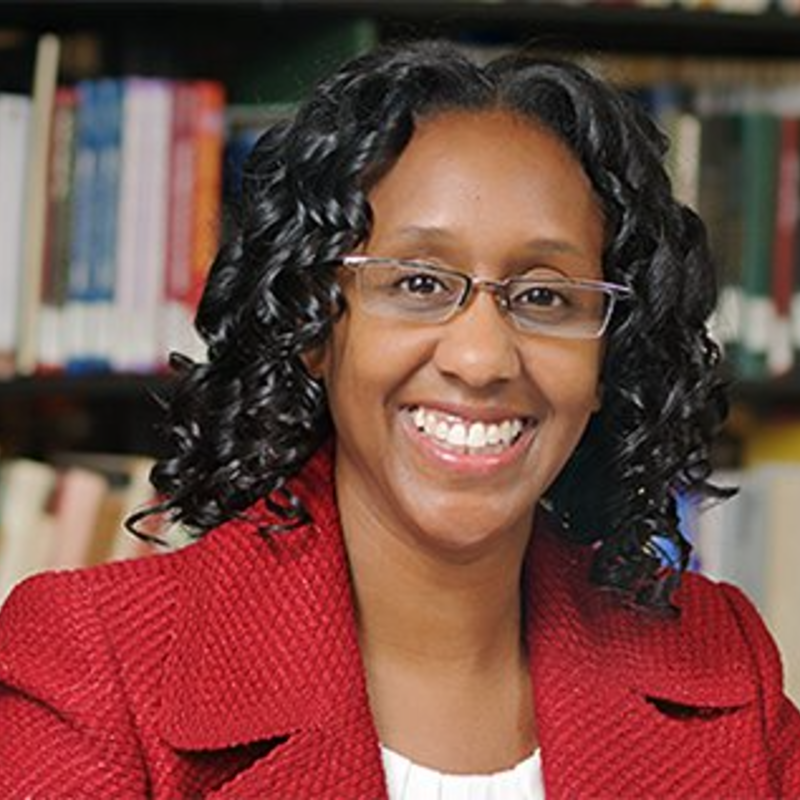
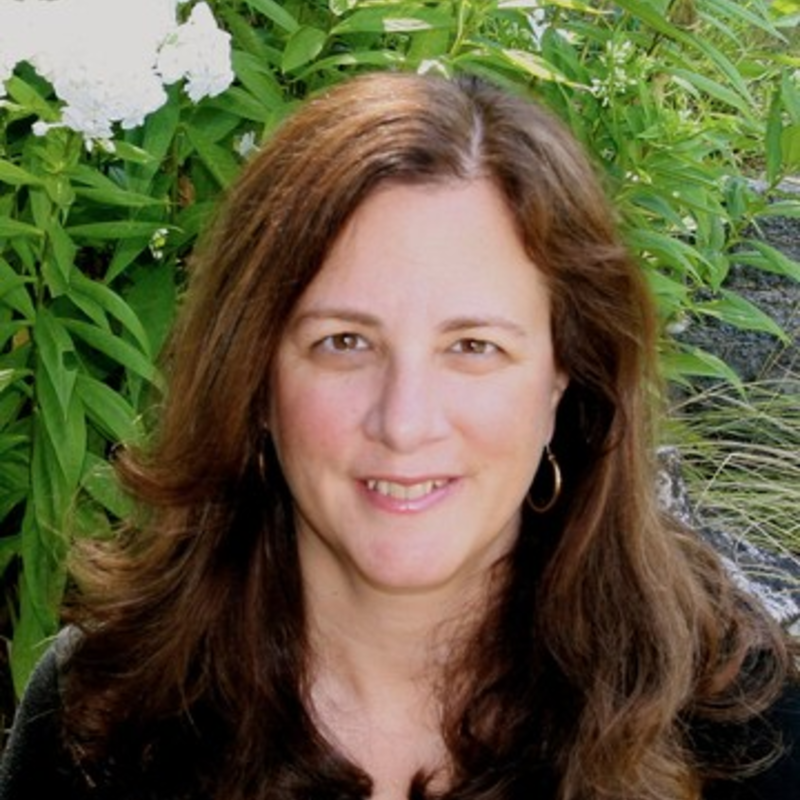
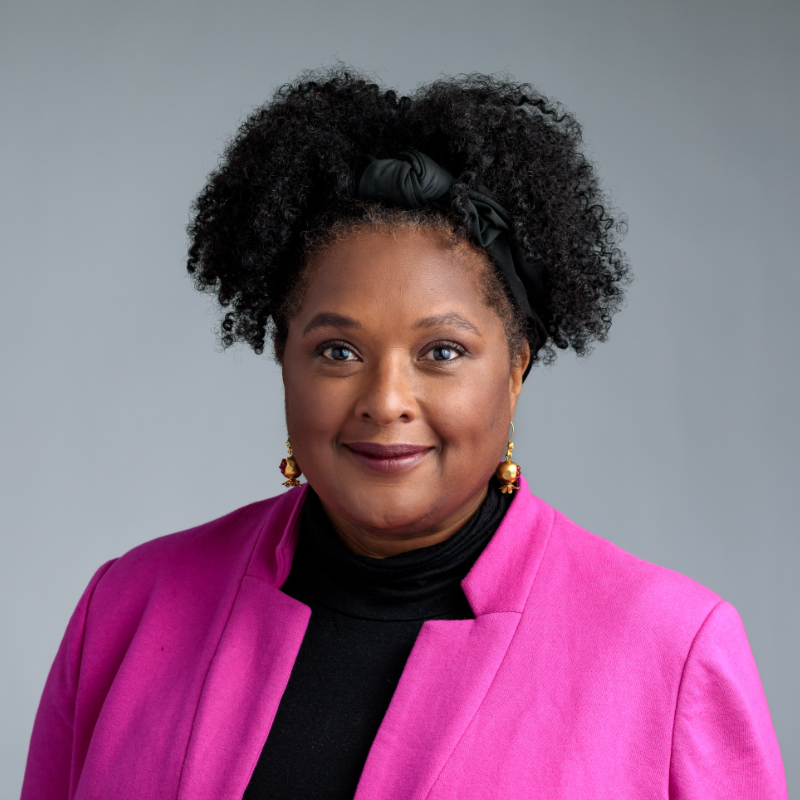
Dr. Marshall is a social gerontologist and holds a PhD in Social Welfare, a Master of Social Work and Master of Public Health from the University of Washington.
Her research area coalesces around aging, health/mental health, social determinants of health, stress, and social support. She has written and successfully been awarded over $1 million in grant funding, and has been a principal investigator on research projects from the National Institutes of Health. She has also authored numerous peer-reviewed scientific publications and book chapters based on her work.
Dr. Marshall has over 15 years of experience in quantitative methods and 10 years in program evaluation.
Affiliate Consultants
The team behind the research
DIRS works with a network of affiliate consultants — researchers, evaluators, and subject-matter experts who bring specialized expertise to projects as needed.
Kristine M. Andrews, PhD
Researcher & Evaluator
A nationally recognized researcher and evaluator advancing equity for children, youth, families, and communities, with expertise in health equity and youth development.
Dr. Kristine M. Andrews is a nationally recognized researcher and evaluator whose work focuses on advancing equity for children, youth, families, and communities. She is passionate about understanding how health equity, youth development, and the social determinants of health influence opportunities and outcomes, particularly for historically marginalized populations. Throughout her career, she has partnered with foundations, public agencies, educational institutions, and nonprofit organizations to strengthen programs, policies, and systems that promote community well-being.
With more than 20 years of experience, Dr. Andrews specializes in culturally responsive and racially equitable evaluation, youth and family program evaluation, community-centered research, and mixed-methods evaluation design. She provides technical assistance, facilitation, and training to nonprofits, government agencies, and funders, helping organizations develop theory of change models, strengthen evaluation capacity, and translate research findings into meaningful action.
Dr. Margo Waddell Bergman is a behavioral economist and public health researcher whose work focuses on understanding how individuals, organizations, and communities make decisions in complex environments. Her areas of expertise include health disparities, health literacy, public health communication, consumer behavior, and the social factors that influence well-being. She is passionate about helping organizations use evidence to better understand community needs, inform policy, and create healthier, more equitable outcomes.
Dr. Bergman brings expertise in economic modeling, econometrics, policy analysis, and mixed-methods research, with experience spanning academia, government, nonprofit, and private-sector settings. She specializes in translating complex data into actionable insights through advanced analytics, forecasting, data visualization, and stakeholder communication, helping organizations make informed, evidence-based decisions.
Aging & CaregivingDementia CareHealth EquityMixed-Methods Research
Dr. Fawn A. Cothran is a nationally recognized nurse scientist whose work focuses on aging, caregiving, and improving health outcomes for older adults and their families. Her research examines the experiences of family caregivers, individuals living with dementia and chronic illness, and the systems that support healthy aging across diverse communities. She is passionate about advancing health equity and strengthening the programs, policies, and services that support aging populations.
With more than 20 years of experience, Dr. Cothran specializes in quantitative and qualitative research, secondary data analysis, literature synthesis, and translating findings into actionable insights for programs, policy, and practice. She partners with healthcare organizations, community groups, and research institutions to develop community-informed solutions that improve quality of life, reduce disparities, and promote healthy aging.
Dr. Margaret “Meg” Cristofalo is a social work researcher, educator, and clinician whose work focuses on improving health and mental health outcomes for medically vulnerable populations. She brings subject matter expertise in safety-net healthcare, behavioral health, trauma-informed care, and healthcare delivery, and is passionate about translating research into practical solutions that strengthen services, improve care coordination, and reduce health disparities.
With more than 20 years of experience as a medical and psychiatric social worker, Dr. Cristofalo specializes in qualitative research, focus groups, interviews, program evaluation, and implementation of evidence-based practices. She has partnered with healthcare organizations, universities, and public agencies to evaluate programs, improve systems of care, and support better outcomes for patients, families, and communities.
Dr. Christopher Curtis is a social work researcher, educator, and qualitative researcher whose work focuses on advancing adolescent well-being and strengthening systems that support youth and families. He brings subject matter expertise in adolescent mental health, school social work, youth development, and community capacity building, and is passionate about improving outcomes for marginalized youth through community-engaged research and evidence-informed practice.
With experience leading qualitative research and program evaluation, Dr. Curtis specializes in focus groups, participant interviews, qualitative data analysis, stakeholder engagement, and the development of logic models and theory of change frameworks that help organizations strengthen programs and measure impact. He has partnered with schools, community organizations, universities, and public agencies to evaluate programs, inform policy, and improve services for youth, families, and justice-impacted communities.
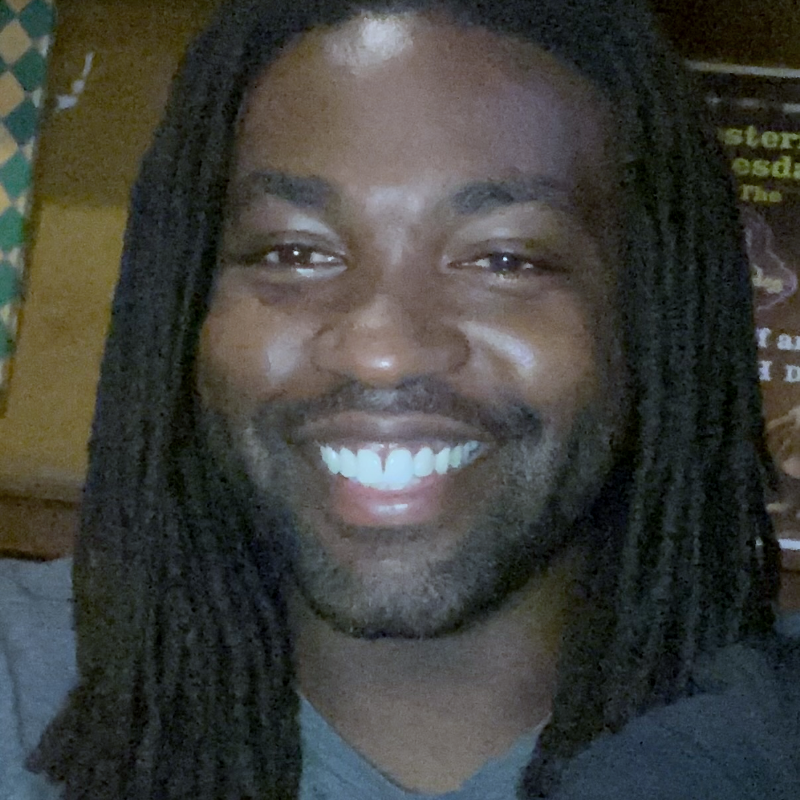
Maurice E. Dolberry, PhD, MEd
Qualitative Researcher & Educator
A qualitative researcher, educator, and community engagement leader supporting historically underserved populations through culturally responsive research.
Qualitative Research DesignCulturally Responsive MethodologyCommunity EngagementCurriculum DevelopmentCapacity Building
Dr. Maurice E. Dolberry is a qualitative researcher, educator, and community engagement leader whose work focuses on supporting historically underserved populations. With more than 20 years of experience, he has conducted impact studies, needs assessments, and learning systems analyses for public and private organizations. Drawing on his background in education and research, Dr. Dolberry is passionate about understanding how culture, learning, and lived experiences shape opportunities and outcomes, particularly for youth and marginalized communities.
Dr. Dolberry specializes in qualitative and mixed-methods research, culturally responsive evaluation, curriculum and assessment design, stakeholder engagement, and equity-centered program evaluation. His expertise includes focus group facilitation, in-depth interviewing, logic model development, needs assessments, and translating research findings into actionable strategies that strengthen programs, build organizational capacity, and foster meaningful community partnerships.
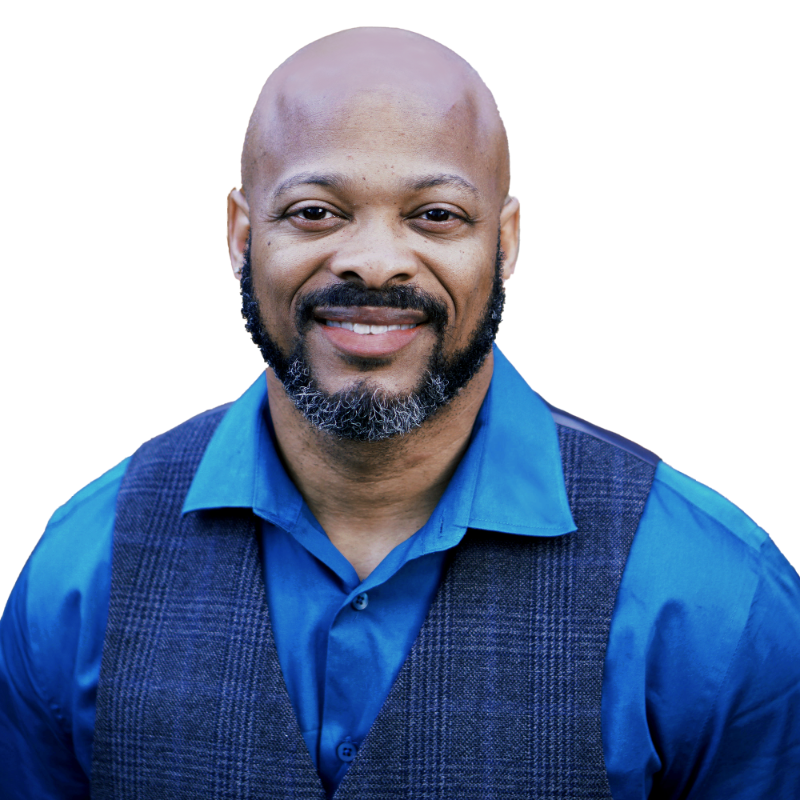
William T. Gallo, PhD, MBA
Health Economist
A health economist, gerontologist, and social epidemiologist studying the factors that influence health and well-being across the lifespan.
Health EconomicsAging & PolicySocial Determinants of HealthProgram Evaluation
Dr. William T. Gallo is a health economist, gerontologist, and social epidemiologist whose work focuses on understanding the social, economic, and policy factors that influence health and well-being across the lifespan. He brings subject matter expertise in health economics, aging, policy analysis, and the social determinants of health, and is passionate about translating research into practical strategies that improve programs, policies, and population outcomes.
With nearly 30 years of experience as a scientific investigator and research consultant, Dr. Gallo specializes in program evaluation, quantitative research, advanced data analysis, and science communication. He has led more than 100 research and quality improvement projects, authored over 60 peer-reviewed publications, and directed NIH-funded research examining the social determinants of health and well-being.
A clinician-scientist, social work researcher, and health educator improving outcomes for individuals and families navigating chronic illness and cancer survivorship.
Cancer SurvivorshipImplementation SciencePatient-Centered OutcomesMixed-Methods Research
Dr. Heather Honoré Goltz is a clinician-scientist, social work researcher, and health educator whose work focuses on improving the health and well-being of individuals and families navigating chronic illness, cancer survivorship, and complex healthcare experiences. She is passionate about advancing equitable healthcare access, strengthening patient engagement, and improving outcomes for older adults and other medically vulnerable populations through patient-centered research and evidence-informed practice.
Dr. Goltz brings expertise in mixed-methods research, implementation science, program evaluation, and patient-centered outcomes research. She partners with healthcare providers, academic institutions, and community organizations to translate scientific evidence into practical strategies that improve healthcare quality, organizational performance, and patient outcomes. Her experience includes leading and supporting research funded by the Department of Defense, National Institutes of Health, Veterans Affairs, and industry partners.
A public health and social work researcher advancing health equity through community-based participatory research and culturally responsive evaluation.
Community-Based Participatory ResearchHealth EquityGrant DevelopmentYouth Development
Dr. Stella M. Gran-O’Donnell is a public health and social work researcher whose work focuses on advancing health equity through community-based participatory research, culturally responsive evaluation, and community engagement. She brings subject matter expertise in public health, behavioral health, youth development, and working alongside communities of color, immigrant populations, and underserved communities. Dr. Gran-O’Donnell is passionate about building authentic partnerships that strengthen programs, elevate community voice, and promote sustainable systems change.
With more than 20 years of experience in public health, social work, and program evaluation, Dr. Gran-O’Donnell specializes in community-based participatory research, program planning, facilitation, grant development, and equity-centered evaluation. She has secured more than $20 million in grants and contracts and has partnered with government agencies, schools, universities, and community-based organizations to design, evaluate, and strengthen programs that create lasting community impact.
Dr. Ola Rostant is a quantitative health and social science researcher whose work focuses on aging, multimorbidity, health disparities, and the social factors that influence health and well-being. She brings subject matter expertise in psychometrics, survey development, and population health research, and is passionate about using rigorous data to better understand community needs, inform policy, and improve outcomes for underserved populations.
As a statistician, she brings extensive experience in quantitative research and statistical analyses. Dr. Rostant specializes in psychometric measurement, survey design and validation, longitudinal modeling, and mixed-methods research. She has led and collaborated on studies using complex national datasets, translating rigorous analyses into actionable insights that support evidence-based decision-making for researchers, healthcare organizations, and public agencies.
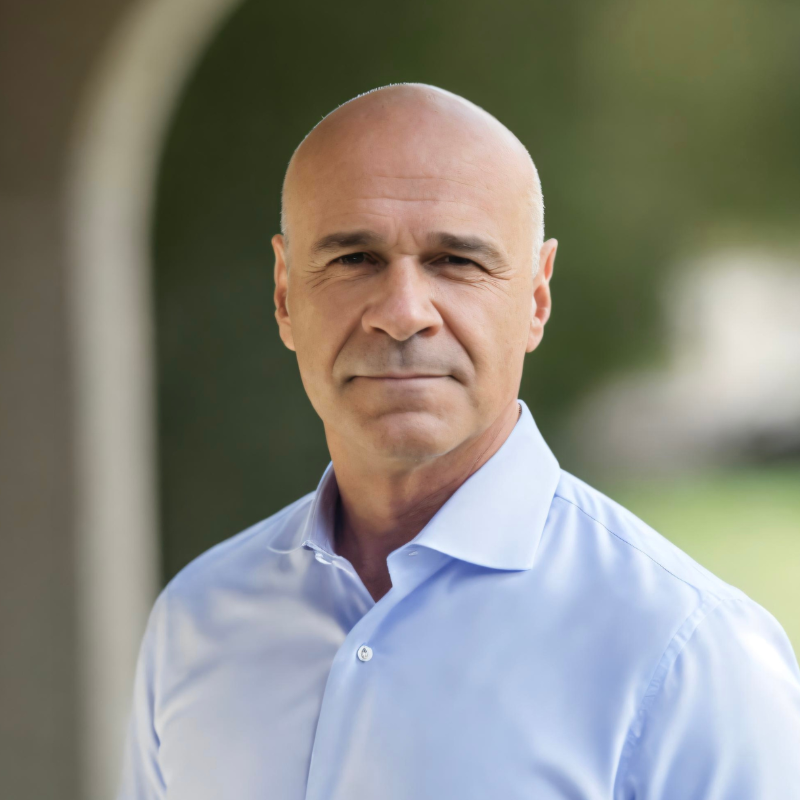
Dr. Richard Simonds is a social work educator and researcher whose work focuses on advancing financial capability, economic mobility, and community engagement for individuals, families, and communities. He brings subject matter expertise in financial well-being, workforce development, and community-based program evaluation, and is passionate about helping organizations expand economic opportunity and strengthen underserved communities.
With more than 15 years of experience in education, nonprofit leadership, and program evaluation, Dr. Simonds specializes in mixed-methods research, program design, technical assistance, capacity building, and group facilitation. He believes effective evaluation goes beyond reporting numbers — it tells the story of a program’s impact on the communities it serves. Dr. Simonds has partnered with schools, nonprofit organizations, and government agencies across the United States to develop evidence-based strategies.
A social epidemiologist and public health researcher advancing health equity and improving outcomes for underserved populations across the life course.
Health EquityStatistical ModelingData VisualizationMaternal & Child Health
Dr. Jocelyn R. Wilder is an epidemiologist and public health researcher whose work focuses on advancing health equity and improving outcomes for underserved populations. She brings subject matter expertise in health across the life course, such as maternal and child health, aging, population health, and healthcare disparities. She is passionate about understanding how social determinants of health and community conditions shape equitable access to care and overall well-being.
With extensive experience in epidemiology and population health research, Dr. Wilder specializes in statistical modeling, database management, data visualization, and developing automated reporting tools that translate complex data into actionable insights. She partners with healthcare organizations, academic institutions, and community-based organizations to strengthen data capacity and inform evidence-based decision-making.
Amanda Zubia, MPH is a public health and education professional whose work focuses on supporting educators, strengthening school communities, and improving outcomes for students and families. Drawing on more than a decade of experience in K–12 education, she brings subject matter expertise in educator well-being, school culture, social-emotional learning, and trauma-informed practices. Amanda is passionate about helping schools and organizations create supportive learning environments that foster resilience, belonging, and long-term community well-being.
With experience in research support, project coordination, stakeholder engagement, and strategic communications, Amanda specializes in translating data and stakeholder perspectives into actionable strategies that strengthen programs and educational systems. She has experience developing surveys and data collection tools, preparing reports and presentations, and supporting qualitative and quantitative evaluation efforts.